

News
To be the beacon for the precise global expansion of Chinese manufacturing
Templates038 Unveils 2026 Collection at Paperworld Frankfurt
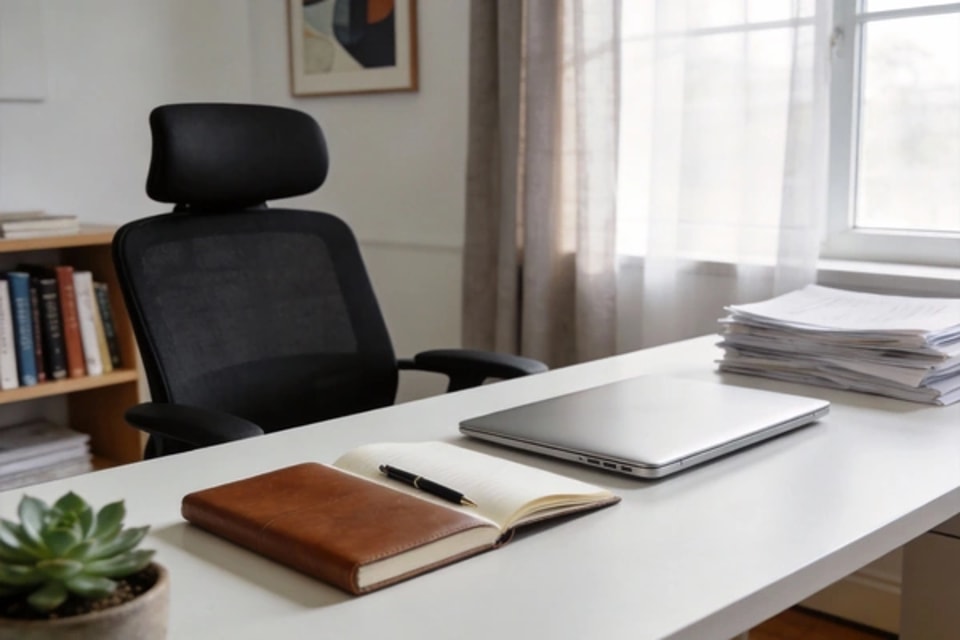
Templates038 is excited to announce our participation at Paperworld 2026, the world's leading trade fair for stationery, office supplies, and writing instruments, where we will debut our comprehensive 2026 product collection featuring 85 new SKUs across all categories.Collection HighlightsLaunch of "NatureWrite" eco-premium notebook line: 100% stone paper covers with zero-tree manufacturingProGlide Gen 3 gel pens with new "InstaSmooth" ink technology reducing writing friction by 30%Modular bamboo desk organization system with magnetic snap-together componentsInteractive display wall showcasing custom branding and private-label capabilitiesVisit us at Messe Frankfurt, Hall 3.0, Stand E45, January 25-28, 2026."Paperworld is where the global stationery community discovers the products that will define the coming year. Our 2026 collection represents our strongest-ever combination of sustainability, design innovation, and value for our distribution partners." - VP of Product Development, Templates038
Introducing Stone Paper Notebooks: Zero Trees, Zero Water, Full Performance
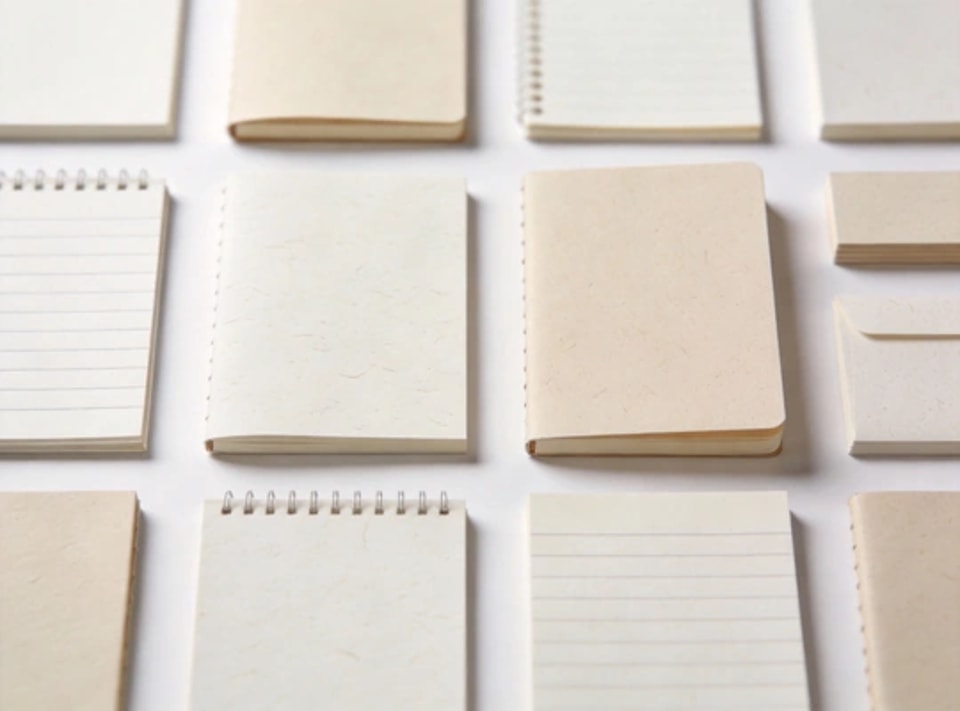
Templates038 proudly introduces our revolutionary stone paper notebook collection, manufactured from calcium carbonate (CaCO3) mineral powder — the same material in limestone and marble — combined with a small percentage of HDPE binding resin, producing a writing surface that uses zero trees, zero water, and zero bleach in production.Stone Paper PropertiesWater Resistant: Stone paper is naturally waterproof — spills wipe off without paper warping, buckling, or ink bleedingTear Resistant: 3× the tear strength of conventional wood-pulp paper, surviving rough handling in backpacks and field conditionsUltra-Smooth Surface: Mineral composition creates an exceptionally smooth writing surface with zero fiber texture, ideal for fine-tip pens and detailed drawingPhotodegradable: Unlike conventional plastic-coated paper, stone paper breaks down naturally when exposed to UV sunlight (12-18 months outdoor exposure)Environmental CredentialsZero trees harvested — 100% mineral-based raw materialZero water consumed in manufacturing (conventional paper: 10-20 liters per sheet)Zero bleach or chlorine chemicals — naturally white from calcium carbonate50% lower carbon footprint vs. conventional paper productionCradle to Cradle Silver certifiedProduct RangeThe stone paper collection launches with 6 notebook formats: A4 and A5 in ruled, dot grid, and blank, all with signature matte mineral-touch covers. Pricing is positioned at a 15% premium to conventional premium notebooks, justified by material innovation and environmental credentials.
Templates038 Partners with Major US School District for 3-Year Supply Contract

Templates038 is delighted to announce a landmark 3-year exclusive supply agreement with one of the largest school districts in the United States, covering writing instruments, notebooks, and classroom organizational supplies for 450 schools serving 320,000 students.Contract ScopeAnnual volume: 2.5 million writing instruments, 1.8 million notebooks, and 500,000 organizational itemsDedicated private-label packaging with district branding and school logosQuarterly delivery schedule aligned with academic calendar (August, November, February, May)Custom classroom starter kits pre-packaged by grade level (K-2, 3-5, 6-8, 9-12)Sustainability CommitmentAs part of the contract, Templates038 has committed to providing 100% FSC-certified paper products and transitioning all packaging to recyclable mono-material by Year 2, supporting the district's sustainability goals and environmental education curriculum.Fulfillment InfrastructureTo support this contract, we have established a dedicated 5,000m² fulfillment center in Nashville, TN, providing 2-day delivery to all 450 school locations with real-time inventory visibility through our B2B e-commerce portal.
New Refillable Pen System: Reducing Single-Use Plastic by 80%
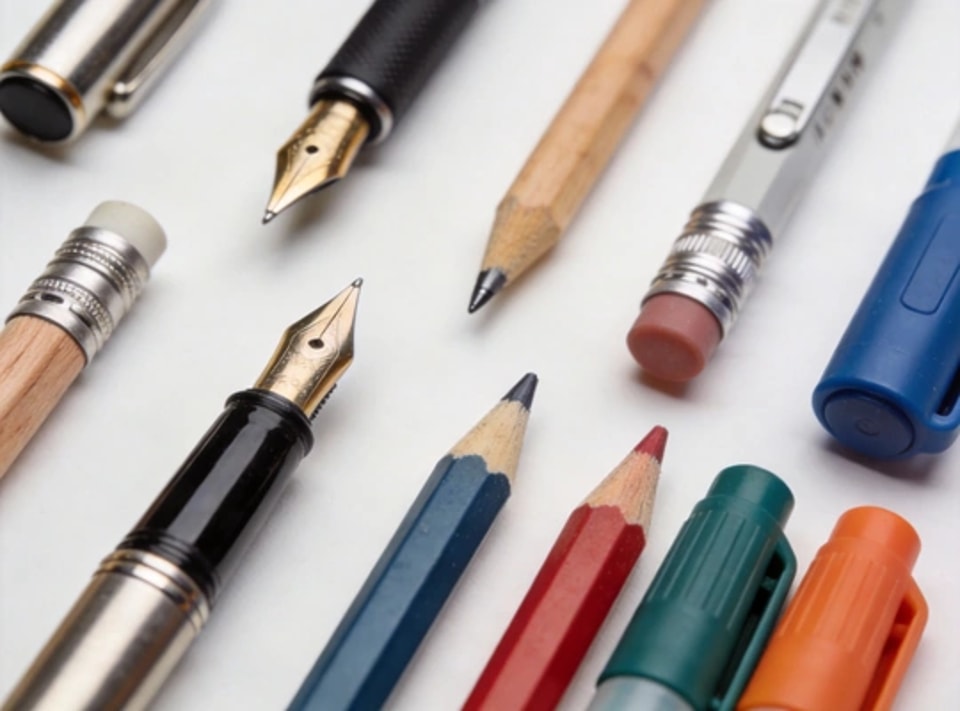
Templates038 launches our new refillable pen system, designed from the ground up to eliminate single-use pen waste while delivering premium writing performance, reducing per-pen plastic consumption by 80% compared to disposable alternatives.System DesignDurable Barrel: Crafted from anodized aluminum (body) and recycled ABS (grip section), designed for 5+ years of daily use. Available in 8 colors with laser engraving for corporate brandingUniversal Refill: Proprietary click-in refill cartridge containing only the ink reservoir and tip assembly (2.5g plastic vs. 12g for a complete disposable pen). Compatible across all 3 pen types: ballpoint, gel, and rollerballRefill Subscription: B2B customers can subscribe to quarterly refill auto-shipment based on consumption data from our ordering portal, ensuring zero stockout disruptionEnvironmental ImpactEach refillable pen body replaces approximately 25 disposable pens per yearAnnual plastic reduction: 237.5g per employee vs. 300g (disposable) — 80% lessRefill cartridges collected via prepaid return mailer for recycling (closed-loop program)Corporate sustainability report integration: we provide annual waste reduction certificates for ESG reportingAdoption Case StudyPilot program with a Fortune 500 financial services firm (85,000 employees): after 12-month rollout, the company eliminated 2.1 million disposable pens annually, saving $340,000 in procurement costs while generating measurable ESG impact for their sustainability report.
Ink Technology Guide: Ballpoint vs Gel vs Rollerball vs Fountain
Ink technology directly impacts writing experience, document longevity, and end-user satisfaction. This technical guide helps distributors, corporate buyers, and educators understand the key differences between ink types to make informed purchasing recommendations.Ink Types ComparedBallpoint (Oil-Based)Viscosity: high (paste-like). Requires moderate pressure to writeDry time: instant — ideal for left-handed writersWater resistance: excellent — oil-based ink is inherently waterproofLongevity: highest writing distance (3,000-10,000m per refill) and longest shelf life (5+ years)Best for: everyday office use, carbon-copy forms, receipts, signaturesGel (Water-Based + Pigment)Viscosity: medium. Smooth, low-pressure writing experienceDry time: 1-5 seconds depending on paper absorbencyWater resistance: good (pigment-based variants) to poor (dye-based)Longevity: moderate writing distance (500-1,000m per refill)Best for: note-taking, journaling, color variety (40+ colors available)Rollerball (Water-Based Liquid)Viscosity: low. Most fountain-pen-like experience without the maintenanceDry time: 3-10 seconds — can smear with fast writing or left-handed gripWater resistance: poor — dye-based ink is water-solubleLongevity: lowest writing distance (200-500m per refill)Best for: executive correspondence, signing, smooth writing preferenceFountain (Water-Based Liquid/Cartridge)Viscosity: very low. Zero pressure required — ink flows by capillary actionDry time: 5-30 seconds depending on nib size and paperWater resistance: varies widely (most inks water-soluble, some pigment inks waterproof)Longevity: depends on nib size and ink volume (cartridge or converter)Best for: extended writing sessions, calligraphy, premium giftingSelection MatrixPriorityBallpointGelRollerballFountainSpeed/ConvenienceBestGoodFairFairWriting SmoothnessFairGoodBestBestColor VarietyLimitedBestGoodBestWater ResistanceBestGood*PoorVariesCost per MeterLowestMediumHighestMedium*Pigment-based gel inks only
Stationery Market Trends 2026: Analog Revival, Eco Demand & Personalization

Despite the digital transformation of workplaces and classrooms, the global stationery market continues to grow, driven by the neuroscience-backed benefits of handwriting, rising eco-consciousness, and demand for personalized products. These key trends are shaping buyer behavior and product development in 2026.Key Trends1. Analog Revival & Handwriting BenefitsNeuroscience research confirms handwriting improves memory retention by 25-30% vs. typing (UCLA/Princeton studies widely adopted by educators)Bullet journaling and analog planning communities continuing to grow: 15 million active practitioners globally"Digital detox" trend driving premium notebook and journaling product sales (+12% YoY in specialty retail)2. Sustainability as Table StakesFSC-certified paper becoming the minimum expectation, no longer a differentiator — brands must go furtherPost-consumer recycled content, stone paper, seed paper, and agricultural waste-based papers emerging as next-gen materialsRefillable writing instruments and mono-material packaging displacing single-use plastic products3. Personalization & Custom BrandingCorporate gifting shifting from generic branded items to curated, personalized stationery kitsPrint-on-demand notebook covers enabling minimum 1-unit custom orders for retailSchool supply customization (student name, class, grade) reducing lost-and-found items by 40%Market DataThe global stationery market is valued at $135 billion (2025), with projected 4.2% CAGR through 2030. The B2B segment represents 45% of total market value, with education (28%) and corporate (17%) as the primary channels.
Paper Weight & Coating Guide: Choosing the Right Paper for Every Application
Paper weight and coating are the two most critical specifications determining writing quality, print compatibility, and end-user experience. This practical guide demystifies paper specifications for stationery buyers, printers, and product developers.Paper Weight (GSM)60-70 gsm: Lightweight paper for newsprint, mass-market notebooks, and economy writing pads. Acceptable for ballpoint but may show through with gel and marker inks. Cost-effective for high-volume educational use.75-80 gsm: Standard copy/printer paper weight. Good all-round performance for laser and inkjet printing, everyday writing, and general office use. The global standard for office paper (A4 80gsm is the #1 office supply SKU worldwide).90-100 gsm: Premium writing paper weight. Reduced show-through, improved ink absorption, and perceived quality suitable for correspondence, premium notebooks, and journal products. Fountain pen-friendly at this weight.120-160 gsm: Card stock range. Used for covers, dividers, index cards, postcards, and certificate paper. Stiff enough to stand unsupported. Compatible with most laser printers (check tray capacity).200+ gsm: Heavy card and board. Business cards, presentation folders, and product tags. Requires specialty printers or offset printing.Paper Coating TypesUncoated: Natural fiber surface. Best ink absorption for writing instruments (pens, pencils, markers). Preferred for notebooks, letterhead, and forms. Matte appearance, tactile feel.Matte Coated: Thin mineral coating providing smoother surface with reduced glare. Good for inkjet photo printing, brochures, and premium stationery. Limited pen ink adhesion — not ideal for heavy writing.Gloss Coated: High-sheen mineral coating for maximum color vibrancy and sharpness. Best for photo printing, catalogs, and marketing materials. Poor pen ink adhesion — ink beads and smears. Not suitable for writing surfaces.Satin/Silk Coated: Mid-range between matte and gloss. Good color reproduction with reduced glare. Suitable for mixed-use applications (some writing + printed content).Application GuideApplicationWeight (gsm)CoatingKey RequirementStudent notebook60-70UncoatedCost, bulk volumeOffice copy paper80UncoatedPrinter compatibilityPremium journal100UncoatedFountain pen, no bleedPlanner/diary90-100UncoatedMarker/stamp compatibleBusiness cards300-400Matte/SilkStiffness, print qualityTesting TipAlways request physical paper samples before committing to large orders. Test with the actual writing instruments your end-users will use — ink behavior varies significantly across paper formulations even at the same weight and coating specification. Key tests: show-through (view from back), bleed-through (ink penetrating to reverse side), feathering (ink spreading along fibers), and dry time.
Back-to-School Procurement Guide: Planning Timelines & Volume Optimization
Successful back-to-school (BTS) procurement requires strategic planning, accurate demand forecasting, and supply chain coordination months before the first day of classes. This guide helps school district buyers, retail purchasing managers, and wholesale distributors optimize their BTS stationery procurement.Planning TimelineMonthActivityStakeholdersNovember-DecemberReview prior year sales data, identify trending products, set preliminary budgetsProcurement, FinanceJanuary-FebruaryAttend trade shows (Paperworld, ISPA), evaluate new products, request samplesProcurement, TeachersMarchFinalize product selection, negotiate contracts, confirm pricing and MOQsProcurement, SuppliersApril-MayPlace purchase orders, confirm delivery schedules, arrange warehousingProcurement, LogisticsJuneReceive initial shipments, quality inspection, pre-pack grade-level kitsWarehouse, QCJuly-AugustPeak distribution to schools/stores, handle rush orders, monitor stockoutsAll teamsVolume Optimization TipsAggregate demand across schools/stores to maximize volume discount tiers (typically 5%, 10%, 15% at threshold quantities)Standardize SKUs across grade levels where possible — reducing variety from 200 to 120 SKUs can save 15-20% on procurement costsPre-negotiate rush order terms (expedited shipping, partial shipments) for unexpected enrollment surgesReserve 10% of budget for mid-year replenishment — avoid over-ordering at BTS which leads to dead stockQuality Assurance ChecklistVerify age-appropriate safety certifications: CPSIA (US), EN 71 (EU), AS/NZS ISO 8124 (Australia)Request pre-production samples for branded/custom items — approve colors, logos, and packaging before mass productionInsist on batch-level certificates of conformance for ink toxicity (ASTM D4236) and paper composition (FSC chain-of-custody)Schedule third-party inspection for first bulk shipment to verify quantity, quality, and labeling accuracy
Book a Demo


