

Ink Technology Guide: Ballpoint vs Gel vs Rollerball vs Fountain
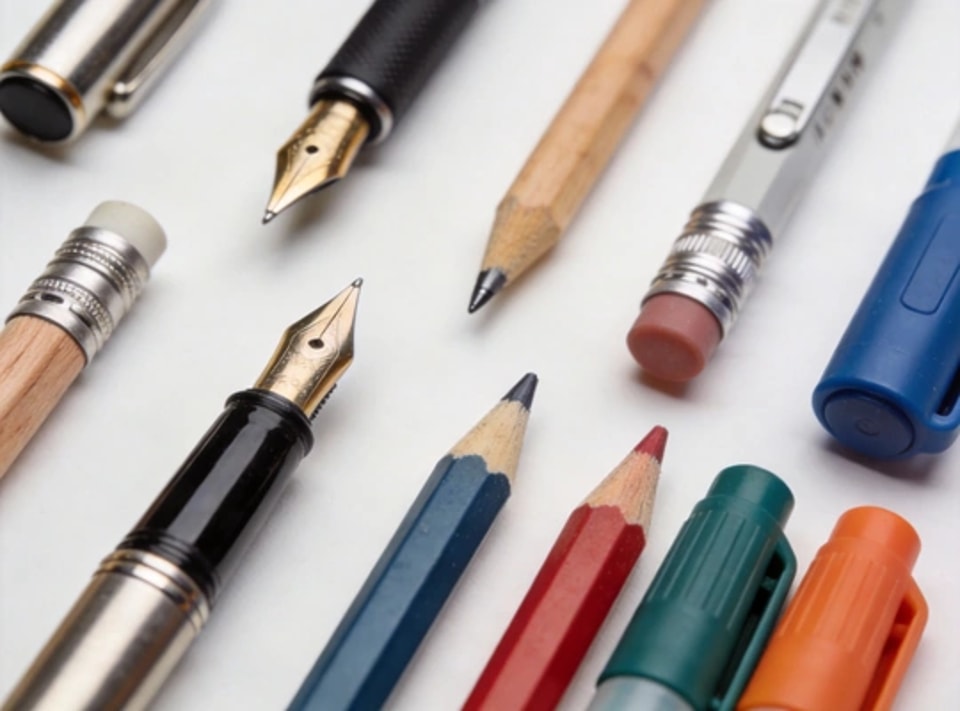
Ink technology directly impacts writing experience, document longevity, and end-user satisfaction. This technical guide helps distributors, corporate buyers, and educators understand the key differences between ink types to make informed purchasing recommendations.Ink Types ComparedBallpoint (Oil-Based)Viscosity: high (paste-like). Requires moderate pressure to writeDry time: instant — ideal for left-handed writersWater resistance: excellent — oil-based ink is inherently waterproofLongevity: highest writing distance (3,000-10,000m per refill) and longest shelf life (5+ years)Best for: everyday office use, carbon-copy forms, receipts, signaturesGel (Water-Based + Pigment)Viscosity: medium. Smooth, low-pressure writing experienceDry time: 1-5 seconds depending on paper absorbencyWater resistance: good (pigment-based variants) to poor (dye-based)Longevity: moderate writing distance (500-1,000m per refill)Best for: note-taking, journaling, color variety (40+ colors available)Rollerball (Water-Based Liquid)Viscosity: low. Most fountain-pen-like experience without the maintenanceDry time: 3-10 seconds — can smear with fast writing or left-handed gripWater resistance: poor — dye-based ink is water-solubleLongevity: lowest writing distance (200-500m per refill)Best for: executive correspondence, signing, smooth writing preferenceFountain (Water-Based Liquid/Cartridge)Viscosity: very low. Zero pressure required — ink flows by capillary actionDry time: 5-30 seconds depending on nib size and paperWater resistance: varies widely (most inks water-soluble, some pigment inks waterproof)Longevity: depends on nib size and ink volume (cartridge or converter)Best for: extended writing sessions, calligraphy, premium giftingSelection MatrixPriorityBallpointGelRollerballFountainSpeed/ConvenienceBestGoodFairFairWriting SmoothnessFairGoodBestBestColor VarietyLimitedBestGoodBestWater ResistanceBestGood*PoorVariesCost per MeterLowestMediumHighestMedium*Pigment-based gel inks only
Paper Weight & Coating Guide: Choosing the Right Paper for Every Application
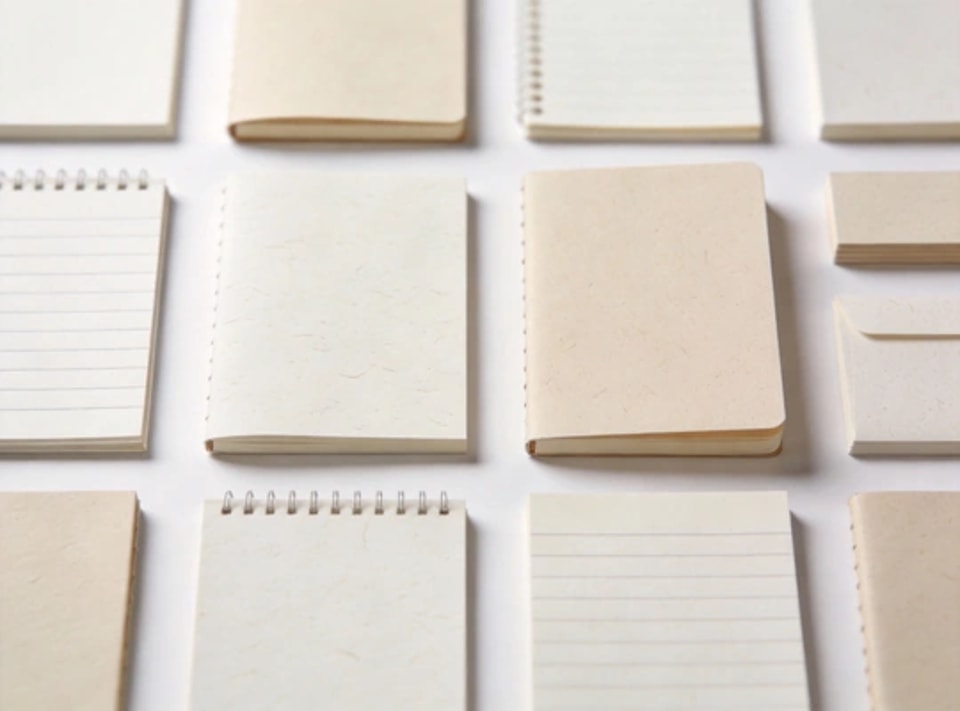
Paper weight and coating are the two most critical specifications determining writing quality, print compatibility, and end-user experience. This practical guide demystifies paper specifications for stationery buyers, printers, and product developers.Paper Weight (GSM)60-70 gsm: Lightweight paper for newsprint, mass-market notebooks, and economy writing pads. Acceptable for ballpoint but may show through with gel and marker inks. Cost-effective for high-volume educational use.75-80 gsm: Standard copy/printer paper weight. Good all-round performance for laser and inkjet printing, everyday writing, and general office use. The global standard for office paper (A4 80gsm is the #1 office supply SKU worldwide).90-100 gsm: Premium writing paper weight. Reduced show-through, improved ink absorption, and perceived quality suitable for correspondence, premium notebooks, and journal products. Fountain pen-friendly at this weight.120-160 gsm: Card stock range. Used for covers, dividers, index cards, postcards, and certificate paper. Stiff enough to stand unsupported. Compatible with most laser printers (check tray capacity).200+ gsm: Heavy card and board. Business cards, presentation folders, and product tags. Requires specialty printers or offset printing.Paper Coating TypesUncoated: Natural fiber surface. Best ink absorption for writing instruments (pens, pencils, markers). Preferred for notebooks, letterhead, and forms. Matte appearance, tactile feel.Matte Coated: Thin mineral coating providing smoother surface with reduced glare. Good for inkjet photo printing, brochures, and premium stationery. Limited pen ink adhesion — not ideal for heavy writing.Gloss Coated: High-sheen mineral coating for maximum color vibrancy and sharpness. Best for photo printing, catalogs, and marketing materials. Poor pen ink adhesion — ink beads and smears. Not suitable for writing surfaces.Satin/Silk Coated: Mid-range between matte and gloss. Good color reproduction with reduced glare. Suitable for mixed-use applications (some writing + printed content).Application GuideApplicationWeight (gsm)CoatingKey RequirementStudent notebook60-70UncoatedCost, bulk volumeOffice copy paper80UncoatedPrinter compatibilityPremium journal100UncoatedFountain pen, no bleedPlanner/diary90-100UncoatedMarker/stamp compatibleBusiness cards300-400Matte/SilkStiffness, print qualityTesting TipAlways request physical paper samples before committing to large orders. Test with the actual writing instruments your end-users will use — ink behavior varies significantly across paper formulations even at the same weight and coating specification. Key tests: show-through (view from back), bleed-through (ink penetrating to reverse side), feathering (ink spreading along fibers), and dry time.
Book a Demo


